
"or Vietnam"
2000 article(s) found

A brief introduction to the cultivation of cream-scented Vietnamese boutique coffee beans, geographical location, climate and altitude
Coffee production in Vietnam has the following characteristics: (1) because there is no effective way to deal with fallen leaves, medium-grain coffee was selected as the main variety in the early 1980s. (2) based on the planting technology, the planting method of coffee was determined, that is, under the hot and humid climate in southern Vietnam, high density planting, large amount of irrigation, excessive fertilization and no shading trees were obtained.

How did Vietnam become the second largest coffee producer in the world in just 30 years?
Professional coffee knowledge exchange more coffee bean information please follow the coffee workshop (Wechat official account cafe_style) Coffee was introduced to Vietnam by French colonialists as early as 1857. At that time, Vietnam took tea as its main daily drink. Although coffee was introduced into Vietnam, the subsequent wars in Vietnam made it impossible for coffee production to proceed normally. Coffee production began to resume.

How to pour coffee into Vietnam and leak the origin of Vietnamese coffee
The origin and development of coffee in Vietnam was brought to Vietnam by French Jesuit missionaries around 1860. In the past 150 years, Vietnam has gradually developed its own unique coffee culture. Today, walking from Ho Chi Minh City, the largest city in the south, to Sapa, a mountain city on the border between China and Vietnam,

What kinds of coffee do you have in Vietnam? Do you prefer Vietnamese coffee or Nestle coffee?
Following Cafe Review (Wechat official account vdailycom) found that Beautiful Cafe opened a small shop of its own. What are the varieties of Vietnamese coffee? Vietnam is the second largest coffee producer in the world, after Brazil. Vietnam Central Plains Coffee Company is the largest coffee company in Vietnam. Coffee cultivation in Vietnam is mainly concentrated in the southern plateau, with an average climate of about 32-38 degrees.

A brief introduction to the flavor, taste and aroma characteristics of Vietnamese boutique coffee beans with light sour taste
Coffee cultivation in Vietnam covers an area of about 500000 hectares, of which 10% are owned by state-owned enterprises and farms, and 85% by farmers and landowners. The scale of the manor is small, usually 2-5 hectares, and the large manor is about 30-50 hectares, but the number is small. Vietnamese coffee ranks second in all agricultural products exported from Vietnam, second only to rice. Every year, about 300000 farmers are engaged in coffee cultivation, with a labor force of 600000.

Vietnam Coffee Origin, Vietnam Coffee introduction
Following caf é vdailycom (official account of Wechat) found that it is a daily habit for Vietnamese to open a small shop of their own to drink coffee. Vietnamese cafes are very common, not high-spending places, and ordinary coffee costs only a few yuan. Vietnamese coffee is not brewed in a coffee pot, but a special dripping coffee cup, underneath with an ancient printed glass.
A brief introduction to the treatment method of grinding degree and baking degree of cream-scented Vietnamese boutique coffee beans
Coffee production in Vietnam has the following characteristics: (1) because there is no effective way to deal with fallen leaves, medium-grain coffee was selected as the main variety in the early 1980s. (2) based on the planting technology, the planting method of coffee was determined, that is, under the hot and humid climate in southern Vietnam, high density planting, large amount of irrigation, excessive fertilization and no shading trees were obtained.

A brief introduction to the history and culture of the origin and development of Vietnamese boutique coffee beans with light sour taste
Coffee production in Vietnam has the following characteristics: (1) because there is no effective way to deal with fallen leaves, medium-grain coffee was selected as the main variety in the early 1980s. (2) based on the planting technology, the planting method of coffee was determined, that is, under the hot and humid climate in southern Vietnam, high density planting, large amount of irrigation, excessive fertilization and no shading trees were obtained.

Brief introduction to the treatment method of grinding degree and baking degree of Vietnamese boutique coffee beans with light sour taste
Coffee cultivation in Vietnam covers an area of about 500000 hectares, of which 10% are owned by state-owned enterprises and farms, and 85% by farmers and landowners. The scale of the manor is small, usually 2-5 hectares, and the large manor is about 30-50 hectares, but the number is small. Vietnamese coffee ranks second in all agricultural products exported from Vietnam, second only to rice. Every year, about 300000 farmers are engaged in coffee cultivation, with a labor force of 600000.

Coffee production in Vietnam
I. Coffee production in Vietnam the geographical location of Vietnam is very favorable for coffee cultivation. Southern Vietnam has a hot and humid tropical climate, which is suitable for growing ROBUSTA coffee, while the north is suitable for growing ARABICA coffee. Coffee production in Vietnam has the following characteristics: (1) because there is no effective way to deal with fallen leaves, medium-grain coffee was selected as the main variety in the early 1980s.

Vietnam Fine Coffee knowledge of Instant Coffee Expo
When it comes to instant coffee, we have to start with Vietnamese coffee. Robusta coffee beans, which are often used to make blends of instant coffee and high-end coffee, are almost all exported to Vietnam. At present, Vietnam has become the second largest coffee producer in the world. Vietnamese coffee is exported to more than 50 countries in the world, and the United States has become the largest customer! The most famous ones in Vietnam are Wiener and the Central Plains. What about the following?
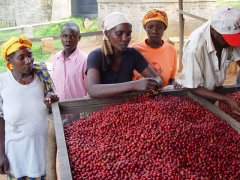
The yield of coffee in Vietnam is as high as 950 kilograms per hectare, and many newly planted coffee trees are from Japan.
Today's production power, tomorrow's production giant. Perhaps under the influence of French colonial rule, coffee grown in Vietnam has a French flavor. Arabica coffee was first brought to Vietnam by French missionaries. More than 400,000 coffee trees were introduced to Vietnam from 1865 to 1876 and were planted near Tonkin Bay, mostly Java or bourbon varieties. At present, coffee production in Vietnam is continuous.

Coffee flavors from different coffee producing areas in the world coffee producing areas in Vietnam
Vietnam may have been influenced by French colonial rule, and the coffee grown in Vietnam has a French flavor. Arabica coffee was first brought to Vietnam by French missionaries. Coffee production in Vietnam: 96% of Robbins coffee comes from small farms, but some state-owned farms also grow coffee trees. Near Tokyo (Tonkin) Bay, there are mostly Java or bourbon varieties. The main varieties produced are Robbins.

Vietnam Coffee popular Information Vietnam Coffee Export is expected to achieve good results in 2021!
2020 is a special year, for many enterprises, most people may use bad to describe this year, fortunately, this year has passed, and there will be new hope in the new year, for example, Vietnam's coffee exports are expected to make new achievements this year. In 2020, due to the impact of the COVID-19 epidemic, the global market demand for coffee dropped sharply, and coffee came out of Vietnam.

Vietnam, the second coffee exporter in the world, is an Asian country where everyone drinks coffee.
Professional coffee knowledge exchange more coffee bean information please follow coffee workshop (Wechat official account cafe_style) Vietnam Coffee Vietnam is also one of the world's top coffee exporters, Vietnamese people not only began to drink coffee, but also began to grow coffee. In my impression, when it comes to the origin of coffee, it seems that it is like Brazil or located on the African continent.

Usage of Didi Pot for making Coffee in Vietnam
Vietnamese coffee is probably what we know most about Vietnam, a neighboring country. Vietnam, once a French colony, began to grow coffee around 1860. Its unique history has formed the unique flavor and connotation of Vietnamese coffee. Vietnamese coffee pot plays an important role in this, and it is also the most important coffee utensils for Vietnamese coffee. Today, the editor is going to teach you about Vietnam.
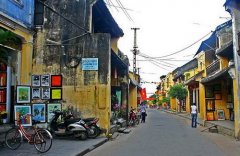
Vietnam Cafe
There is one delicacy you have to try in Vietnam, and that is coffee. Whether it is drip coffee or iced coffee, it is the most unique coffee variety in Vietnam.

Coffee shops in Vietnam
There is one thing you can't avoid in Vietnam, coffee, whether drip coffee or iced coffee is Vietnam's most unique coffee variety.

A brief introduction to the flavor, taste and aroma characteristics of Vietnamese coffee beans, a big coffee exporter in the world.
At present, coffee production in Vietnam is growing. Among Vietnam's export products, tea ranks first and coffee ranks second. Vietnam's coffee output can be as high as 950 kilograms per hectare, and many newly planted coffee trees are invested by the Japanese. Vietnam's next goal is clearly not just to become the world's second-largest coffee exporter, because it has so many coffee-loving citizens. In

Vietnamese coffee Southeast Asian coffee beans
Perhaps under the influence of French colonial rule, coffee grown in Vietnam has a French flavor. Arabica coffee was first brought to Vietnam by French missionaries. More than 400,000 coffee trees were introduced to Vietnam in 1865-1876 and planted near Tonkin Bay, mostly Java or bourbon varieties. At present, Vietnam